
Affordable Website Design for Small Businesses in 2026: Essential Solutions and Pricing Insights
In 2026, small businesses are increasingly recognizing the importance of having an affordable and effective online presence. With the digital landscape evolving rapidly, understanding the costs and options available for website design is crucial for small business owners. This article will explore the various pricing models, budget-friendly options, and essential features that small businesses should consider when designing their websites. Additionally, we will discuss the significance of responsive design and how small businesses can maintain their websites affordably. By the end of this article, readers will have a comprehensive understanding of affordable website design solutions tailored for small businesses.
Indeed, establishing an online presence is often seen as a significant investment, yet it remains indispensable for modern businesses.
Cost-Effective Website Solutions for Small Businesses
Building a website is still recognised as a costly but necessary requirement for most business entities.
The Provision of Cost Effective, Professional,
User Friendly and Credible, Online Website Solutions for the Small Business Entity, 2011
What Are the Typical Costs and Pricing Models for Small Business Website Design?
The costs associated with website design for small businesses can vary significantly based on several factors, including the complexity of the site, the features required, and the service provider chosen. Typically, small businesses can expect to pay anywhere from $500 to $3,000 for a basic website, depending on these variables. Understanding the different pricing models available can help businesses make informed decisions.
How Do Website Design Pricing Structures Vary for Startups and Small Businesses?
Startups often face different pricing structures compared to established small businesses. For instance, startups may opt for template-based designs that can cost as little as $500, while established businesses might invest in custom designs ranging from $1,500 to $5,000. The choice between these options often depends on the business’s budget and specific needs.
These varying approaches highlight the broader challenges small and medium-sized enterprises often encounter in their operations, extending beyond just website development.
Website & Pricing Strategies for SMEs
Small and medium-sized enterprises (SME) make a very large contribution to Indonesia’s gross domestic product (GDP) and absorb a lot of labor from the entire workforce. Unfortunately, many SMEs face so many problems in their business operation.
Website and pricing strategy development: a business coaching at local SME, L Sudhartio, 2022
What Are Budget-Friendly Options for Custom and Cheap Website Design Services?
There are several budget-friendly options available for small businesses looking for custom and cheap website design services. Some popular choices include:
- Freelance Designers: Hiring a freelance designer can be a cost-effective solution, with rates typically ranging from $25 to $150 per hour.
- Website Builders: Platforms like “Wix” and Squarespace offer user-friendly interfaces and templates, allowing businesses to create websites for as little as $15 per month.
- Local Agencies: Some local agencies specialize in affordable website design for small businesses, often providing packages starting around $800.
These options allow small businesses to establish a professional online presence without breaking the bank.
Which Website Builders and Packages Offer the Best Value for Small Businesses in 2026?
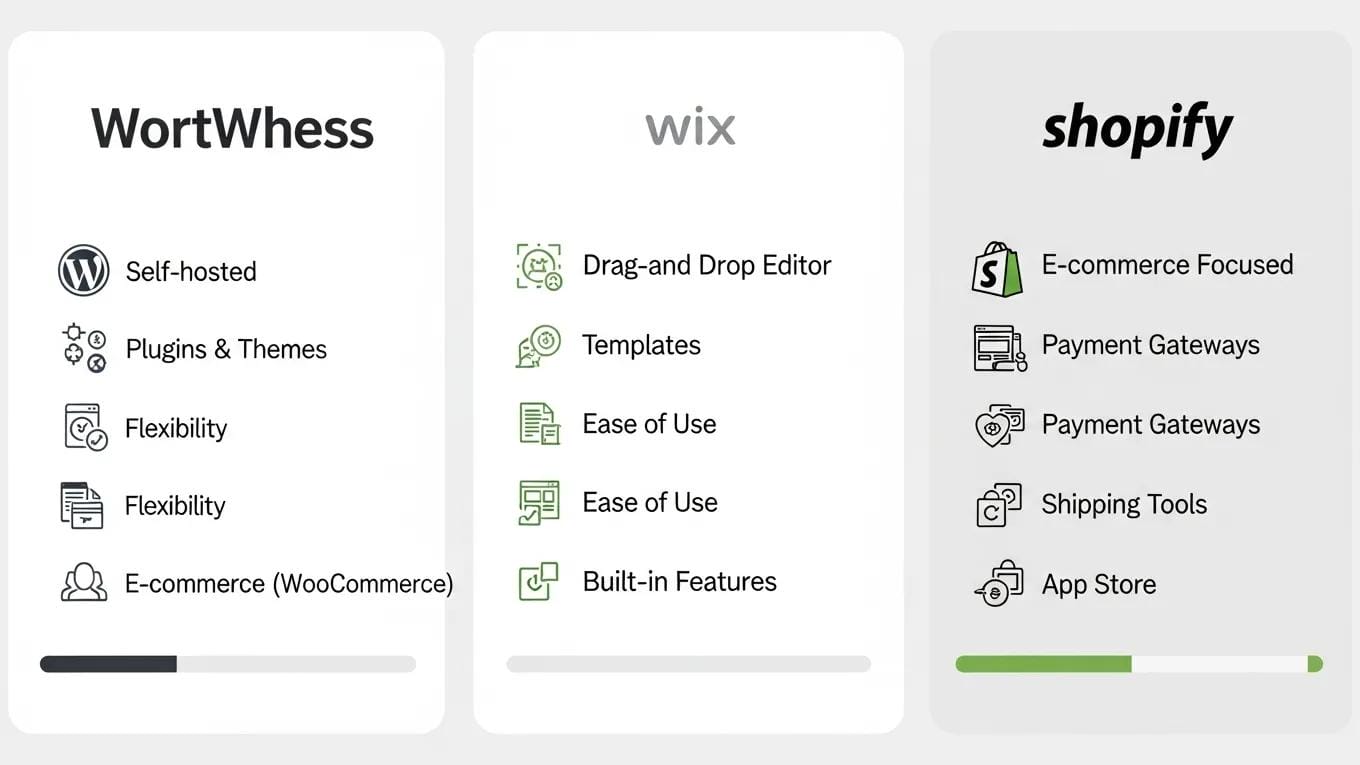
When evaluating website builders, small businesses should consider factors such as ease of use, customization options, and pricing. Popular website builders like “WordPress”, Wix, and Shopify each offer unique features that cater to different business needs.
What Features Should Facility Managers Look for in Affordable Website Packages?
Facility managers should prioritize the following features when selecting affordable website packages:
- User-Friendly Interface: A simple interface allows for easy updates and management.
- Mobile Responsiveness: Ensures the website functions well on all devices.
- SEO Tools: Built-in SEO features help improve visibility in search engines.
These features are essential for creating a website that effectively serves both the business and its customers.
How Do Popular Website Builders Compare in Pricing and Customization?
The following table compares popular website builders based on pricing and customization options:
This comparison highlights the strengths of each platform, helping small businesses choose the best fit for their needs.
Why Is Responsive and Mobile-Friendly Design Crucial for Small Business Websites?
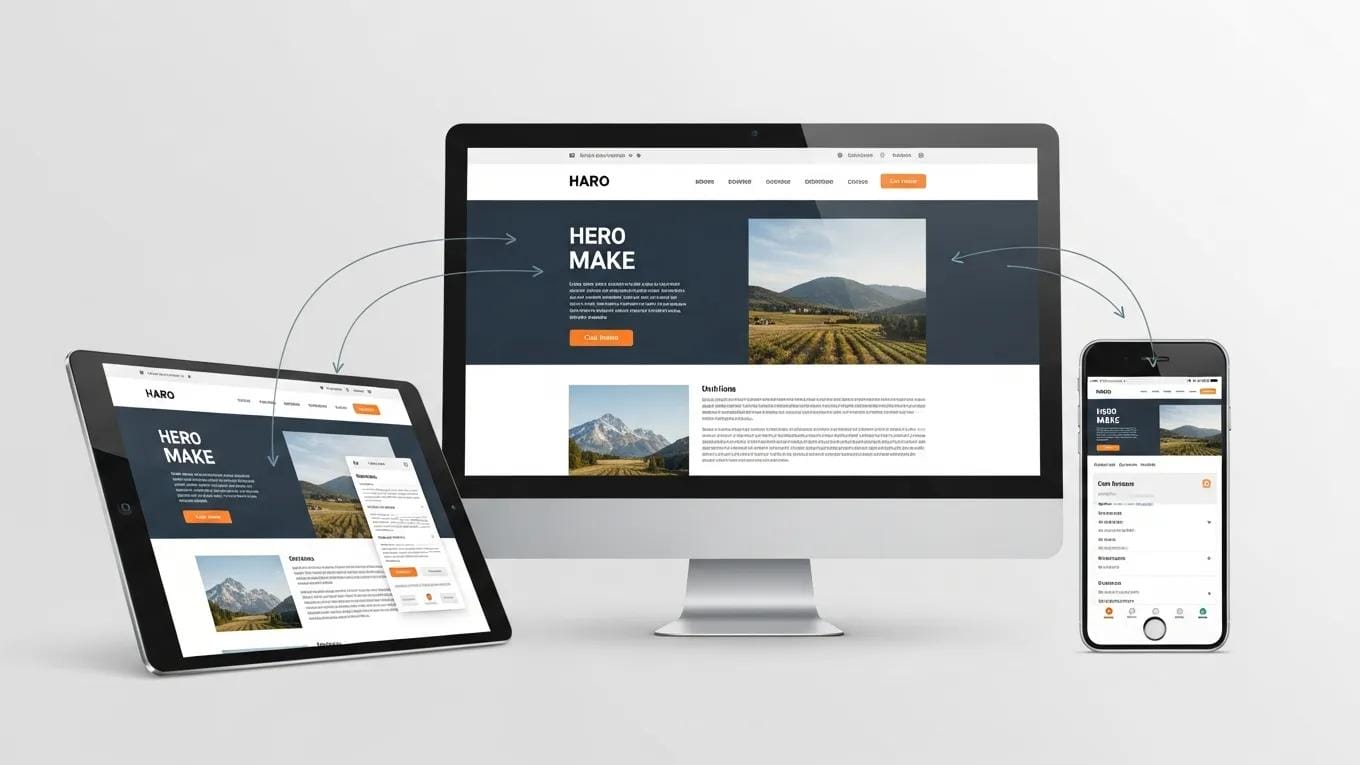
Responsive and mobile-friendly design is essential for small business websites as it directly impacts user experience and search engine optimization (SEO). A responsive design ensures that the website adapts to various screen sizes, providing a seamless experience for users on mobile devices.
How Does Responsive Design Improve User Experience and SEO for Small Businesses?
Responsive design enhances user experience by ensuring that visitors can easily navigate the site, regardless of the device they are using. This adaptability not only keeps users engaged but also positively influences SEO rankings, as search engines favor mobile-friendly sites.
What Are Best Practices for Ensuring Mobile Compatibility in Budget Website Development?
To ensure mobile compatibility in budget website development, small businesses should consider the following best practices:
- Use Responsive Templates: Choose templates that automatically adjust to different screen sizes.
- Optimize Images: Compress images to reduce loading times on mobile devices.
- Test Across Devices: Regularly test the website on various devices to ensure functionality.
Implementing these practices can significantly enhance the mobile experience for users.
How Can Small Businesses Maintain and Secure Their Websites Affordably?
Maintaining and securing a website is crucial for small businesses, especially when operating on a tight budget. Regular maintenance tasks can prevent issues and ensure the website remains functional and secure.
What Are Essential Website Maintenance Tasks for Small Business Owners?
Small business owners should prioritize the following essential website maintenance tasks:
- Regular Backups: Schedule backups to prevent data loss.
- Software Updates: Keep all software and plugins updated to protect against vulnerabilities.
- Content Updates: Regularly refresh content to keep the site relevant and engaging.
These tasks help maintain the website’s performance and security over time.
How Can Security Measures Be Implemented Without Increasing Costs Significantly?
Implementing security measures does not have to be expensive. Small businesses can adopt the following cost-effective strategies:
- Use SSL Certificates: Secure Sockets Layer (SSL) certificates encrypt data, enhancing security for users.
- Install Security Plugins: Many platforms offer free or low-cost security plugins that provide essential protection.
- Educate Staff: Training staff on security best practices can prevent breaches caused by human error.
By focusing on these strategies, small businesses can effectively secure their websites without incurring significant costs.
Expert Insight on Affordable Website Design for Small Businesses
According to Jane Smith, a leading web design consultant with over 15 years of experience working with small businesses, “Investing in a well-designed, responsive website is one of the most cost-effective ways for small businesses to build credibility and attract customers online. Even with a limited budget, prioritizing user experience and mobile compatibility can significantly improve engagement and conversion rates.”
Smith emphasizes that “choosing the right platform and maintenance strategy tailored to the business’s unique needs can maximize ROI and reduce long-term costs.”